
Robotic Joint Replacement in Nashik
Robotic-assisted knee replacement planned around your individual anatomy and performed by fellowship-trained joint replacement surgeon Dr. Vishal Kasliwal at Kasliwal Joint Institute.
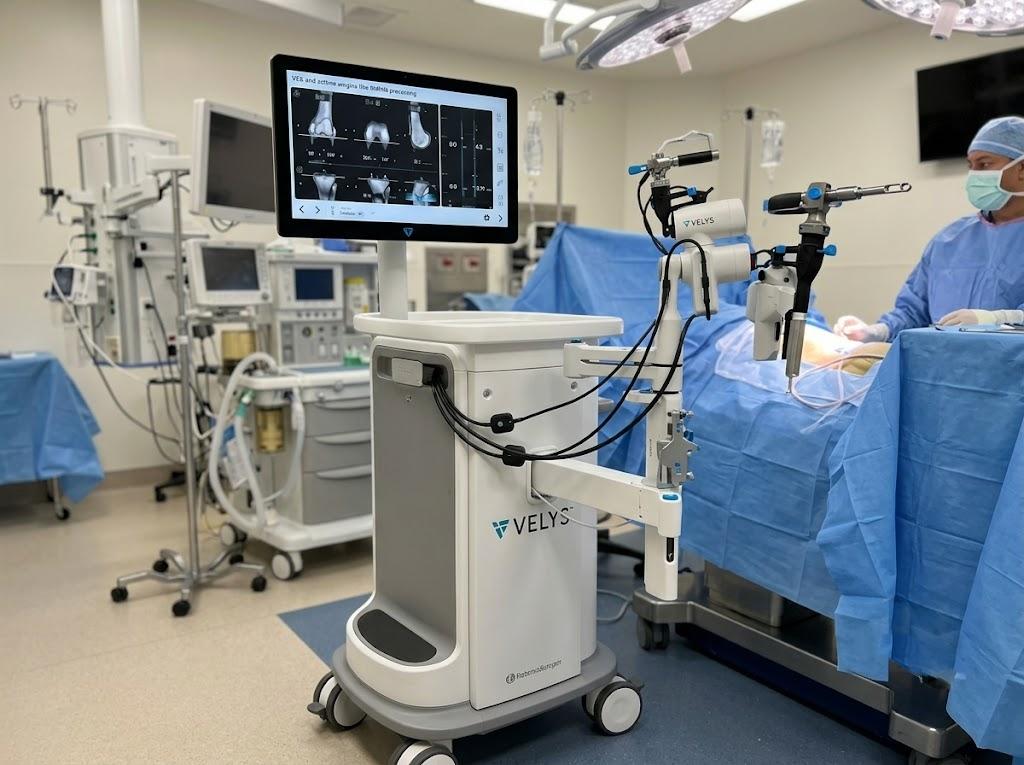
What is Robotic-Assisted Joint Replacement?
Joint replacement resurfaces the damaged bone of an arthritic joint with durable medical-grade components. With robotic assistance, Dr. Kasliwal uses high-precision computer guidance to measure your joint during the procedure, personalize component positioning, and balance ligaments with digital accuracy.
Personalised Fit
Planned around your natural joint anatomy rather than an arbitrary population average.
Ligament Balance
Soft-tissue tension is measured across the full bend of the knee to avoid tightness or laxity.
Precision Guidance
Bone cuts are guided within safety boundaries set and controlled by the operating surgeon.
The Robot Doesn't Replace the Surgeon
Robotic technology is an advanced surgical instrument — it never acts or operates on its own. Dr. Vishal Kasliwal remains in full command of every clinical decision and operative movement.
1. Comprehensive Evaluation
Dr. Kasliwal evaluates your symptoms, examines joint mobility, reviews X-rays, and decides whether surgery is genuinely warranted or non-surgical care should continue.
2. Direct Surgical Control
Dr. Kasliwal performs every incision, controls the robotic tool, prepares the bone surfaces, and balances the joint's natural ligaments with seasoned surgical touch.
3. Real-Time Guidance
The robotic system serves as an intelligent co-pilot, providing continuous optical tracking and enforcing safety boundaries that prevent unintended bone removal.
How VELYS™ Robotic Surgery Works
VELYS™ is an image-free system by DePuy Synthes (Johnson & Johnson MedTech). It eliminates pre-operative CT scans by measuring your knee directly during surgery with infrared optical tracking.
Plan
Dr. Kasliwal maps key anatomical points on the femur and tibia. The system constructs a 3D digital model of your joint.
Balance
The knee is moved through its range of motion. Ligament tightness is measured in real time before permanent cuts are made.
Guide
The robotic saw guide assists bone preparation strictly within boundaries defined and controlled by the surgeon.
Verify
Trial implant alignment, stability, and movement arc are digitally confirmed prior to final component cementation.
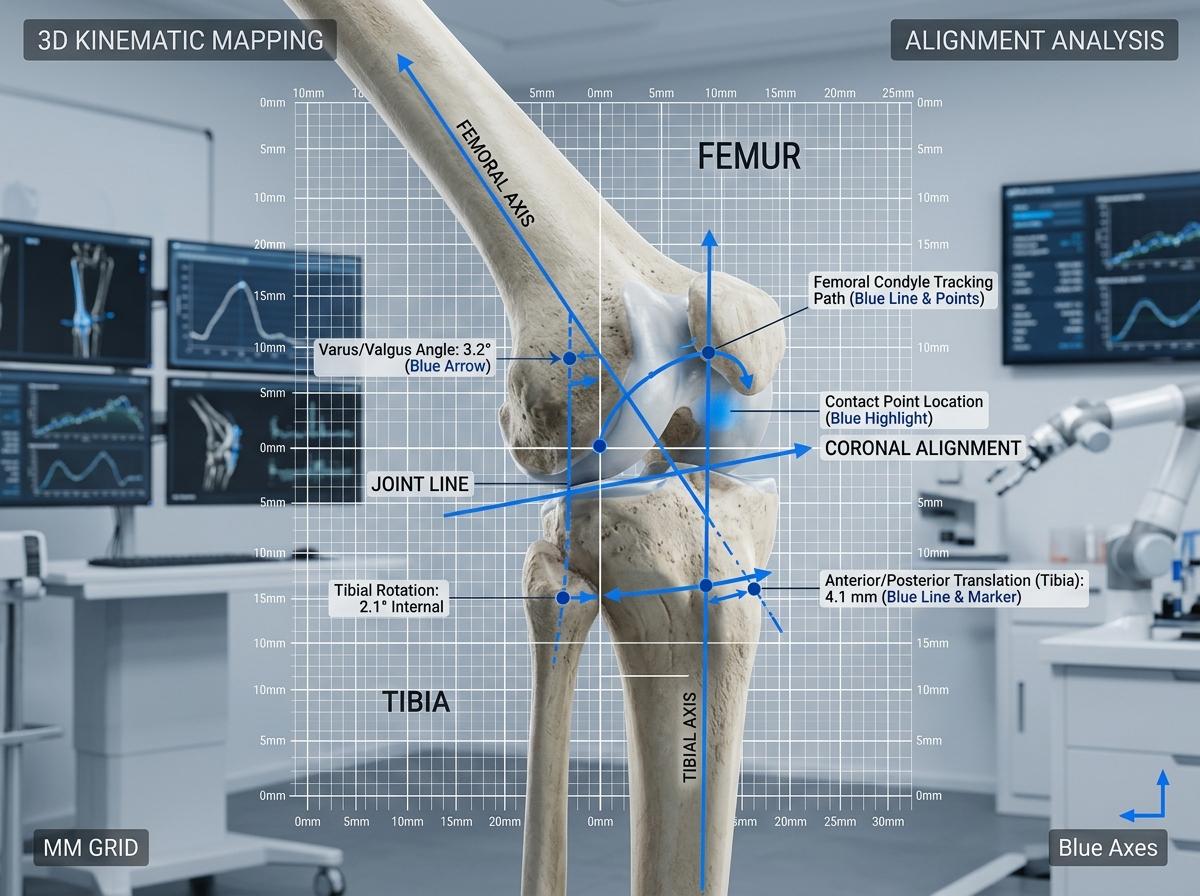
Clinical 3D Kinematic Mapping & Coronal Alignment
Scans Required
Image-Free (No CT)
Installation
Table-Mounted
Tracking Method
Infrared Optical
Implant System
ATTUNE® Knee
Robotic vs Conventional Knee Replacement
Both techniques are established and relieve arthritis pain effectively. The primary difference lies in how bone cuts and ligament tension are measured.
| Feature | Conventional Knee | Robotic-Assisted (VELYS™) |
|---|---|---|
| Surgical Approach | Standard incision & implants | Standard incision & implants |
| Alignment Planning | Mechanical guides and visual estimate | Real-time digital mapping taken during surgery |
| Implant Positioning | Accurate in experienced hands | Consistent positioning with fewer alignment outliers |
| Ligament Balancing | Judged by tactile feel and spacers | Digitally measured across full range of motion |
| Pre-Op CT Radiation | None (Routine X-rays only) | None (Routine X-rays only; no CT scan needed) |
| Technology Cost | Standard hospital package | Higher, covering robotic consumables |
*Clinical scoping review (Morrison et al., 2026, J Exp Orthop) demonstrates improved implant accuracy with comparable safety to conventional methods. Long-term functional outcomes remain under ongoing study.
Who is Robotic-Assisted Surgery Suitable For?
Robotic assistance is an operative technique, not an independent reason to have surgery. The clinical decision depends on your pain, function, and X-ray findings.
It May Be Suitable If:
- Severe knee arthritis limits walking, daily tasks, or sleep despite non-surgical care.
- X-rays demonstrate bone-on-bone joint damage requiring resurfacing.
- You have marked limb deformity (bow legs or knock knees) where balance is critical.
- You are medically cleared for elective joint replacement surgery.
You May Not Need It If:
- Your pain is still manageable with physiotherapy, weight control, or medicines.
- You have an active infection or medical issues that need prior treatment.
- Your condition is localized and better suited for keyhole arthroscopy.
Robotic Joint Replacement Options
Explore in-depth recovery timelines, candidate criteria, and costs on our dedicated procedure pages:
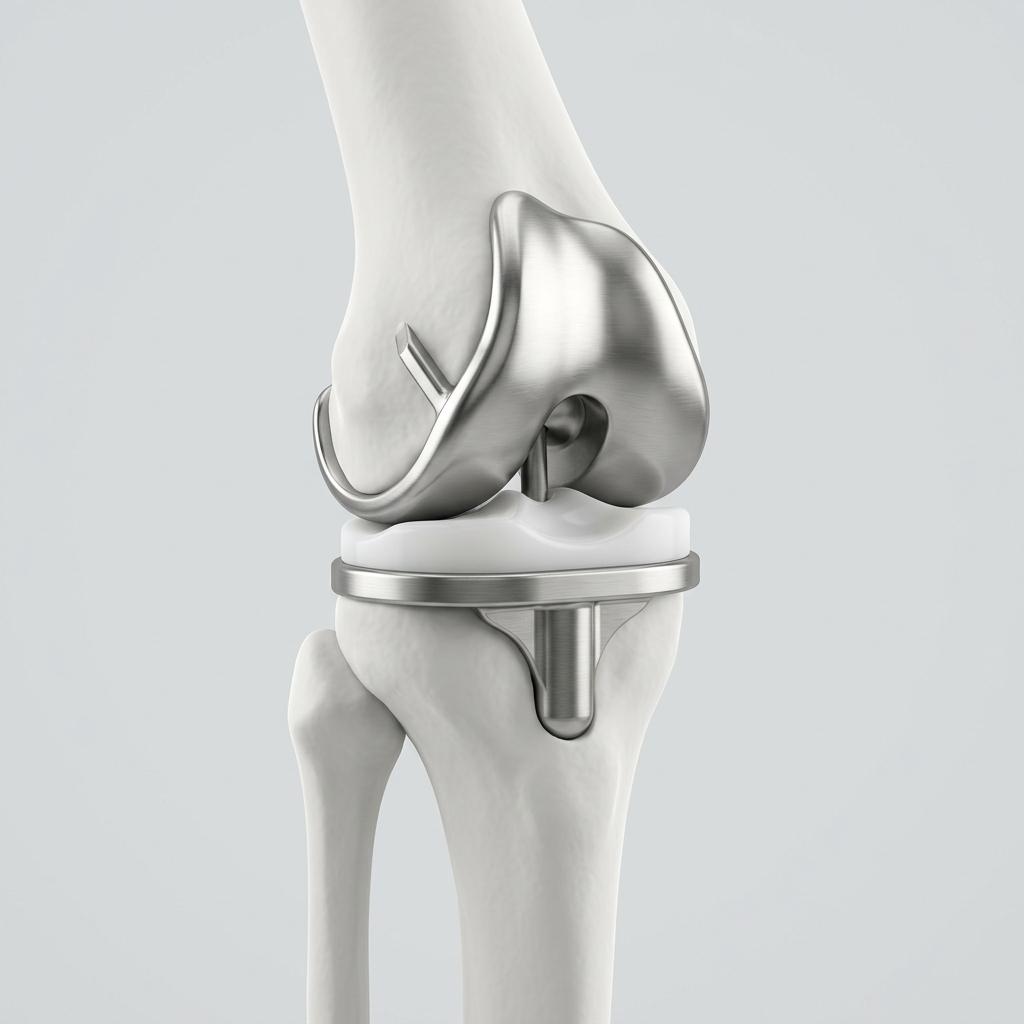
Total Knee Replacement
For widespread arthritis affecting the entire knee joint. Aligned to your individual envelope of motion.
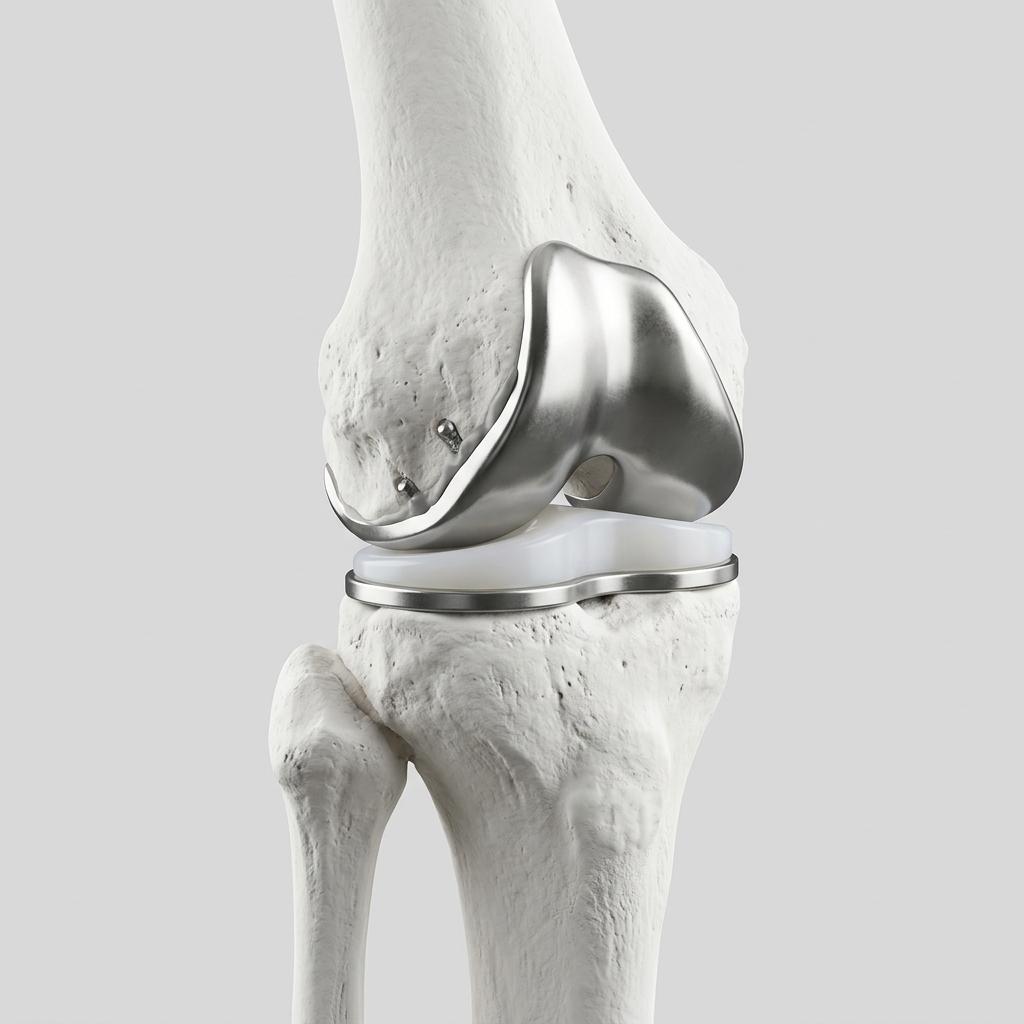
Partial Knee Replacement
For damage confined to one compartment of the knee, preserving your natural ligaments and healthy bone.
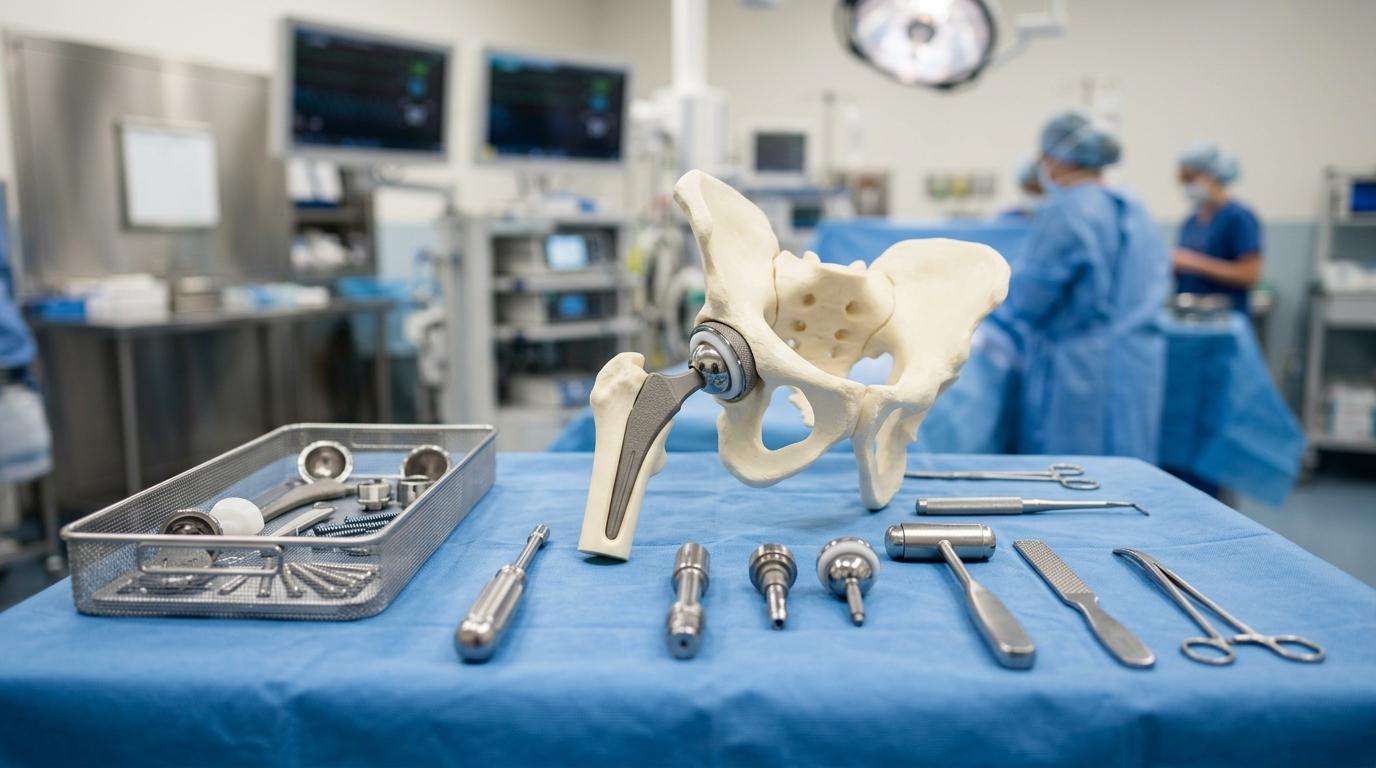
Hip Replacement (THR)
Total hip reconstruction with precision cup placement, leg-length balancing, and ceramic bearing surfaces.
Revision Knee & Hip Replacement
When a previous joint replacement becomes painful, loose, or unstable, revision surgery may be necessary to restore stability and function.
Causes for Revision:
- •Aseptic Loosening: Gradual loosening of the implant from bone over years.
- •Joint Infection: Deep tissue infection around the implant components.
- •Instability: Ligament laxity or wear of the plastic bearing insert.
- •Periprosthetic Fracture: Bone fracture surrounding the implant stem.
Signs to Have Checked:
- •New or progressive pain after an extended pain-free period.
- •Persistent swelling, warmth, redness, or wound drainage.
- •A feeling of the joint slipping, clicking, or giving way.
- •Noticeable change in leg length or sudden stiffness.
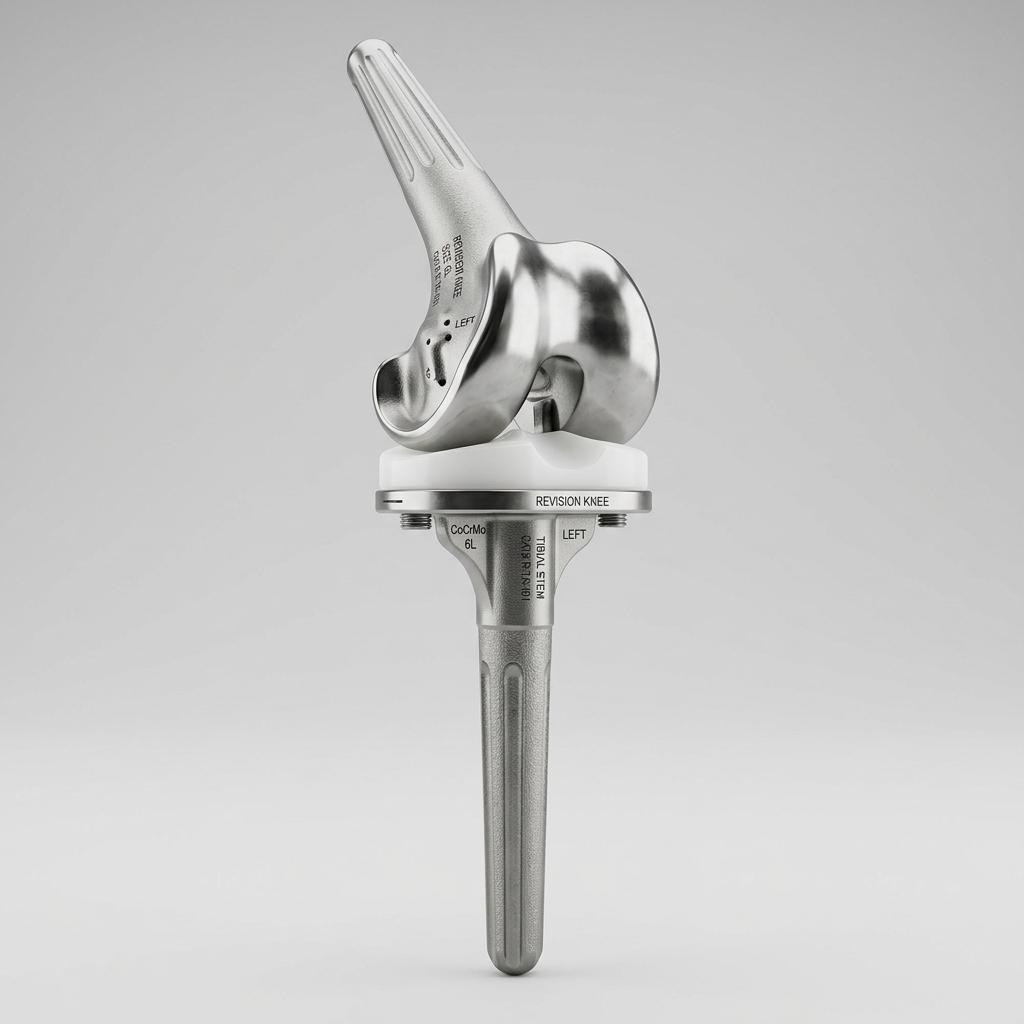
Specialized Stemmed Revision Implant System
Had joint surgery elsewhere and experiencing pain?
Share your previous surgical discharge summaries and recent X-rays for an objective clinical opinion.
Frequently Asked Questions
Consult Dr. Vishal Kasliwal
Get a specialist assessment of your knee, hip or shoulder problem and a clear explanation of your options.
VELYS™ is a trademark of DePuy Synthes (Johnson & Johnson MedTech). Used for identification only. ATTUNE® is a registered trademark of DePuy Synthes.
Medically reviewed by: Dr. Vishal Kasliwal, M.S. Orthopaedics · Reg. No. MMC/2005/02/1098
Last updated: October 2026
Medical Disclaimer: This information is for educational purposes only and does not replace an individual medical consultation. Diagnosis, treatment options, and recovery timelines differ between patients.